Is a house just a place to live, or a reflection of who we are?
A house is a reflection of who we are. It’s not just a place to live, but a space where we feel secure, at peace, and truly ourselves. Whether it’s a favorite sofa, an old coffeemug, or a messy kids’ room, every corner tells a story. Our interiors shape our sense of self, making the space uniquely ours.
Similarly, the homes of the Gothic period still reflect the tastes and values of those who lived there. Take the grand manor houses in England, like those of the 14th-century English nobility, or the grand homes in the French countryside during the reign of the Valois. These private residences, with their pointed arches, intricate woodwork, and dark, atmospheric rooms, were more than just places to live—they were statements of power,>identity, and culture.
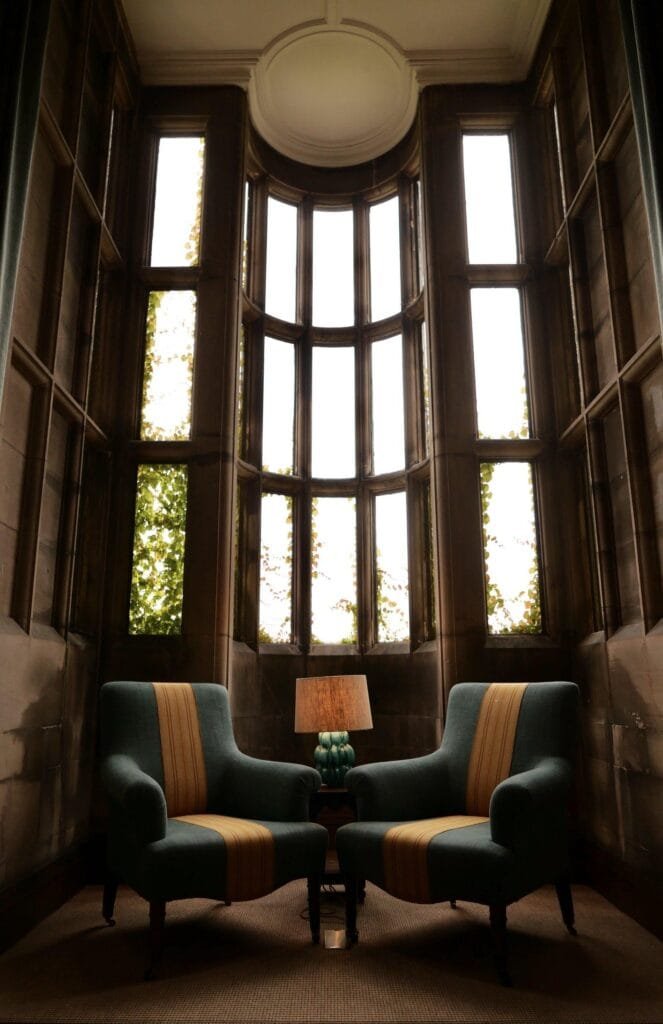
Homes like those of the Flemish and Burgundian
aristocracy, or the noble families of France and Italy, were
designed to reflect the spiritual and social status of their
inhabitants. With their soaring ceilings, delicate
stonework, and detailed tapestries, these spaces were
created to impress, to house important relics, and to
reflect a deeply personal sense of faith and heritage. Even
today, when we visit these historic homes, we can sense
the lives that were once lived there through the very
materials and interiors. These homes of the Gothic era are
not just relics of the past; they continue to echo with the
tastes, desires, and aspirations of the people who shaped
them—proving that the Gothic period is one we will never
forget.